Vol. 3 No. 009: January-February 2021
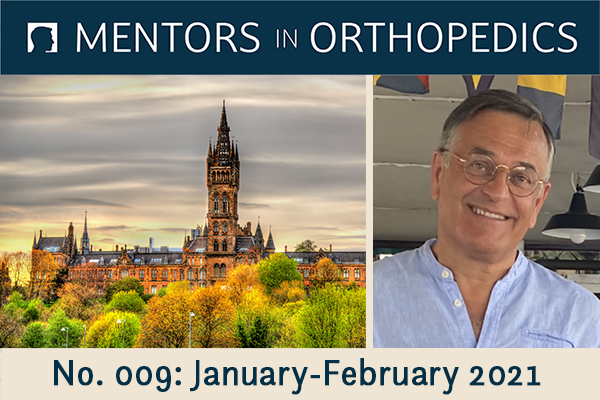
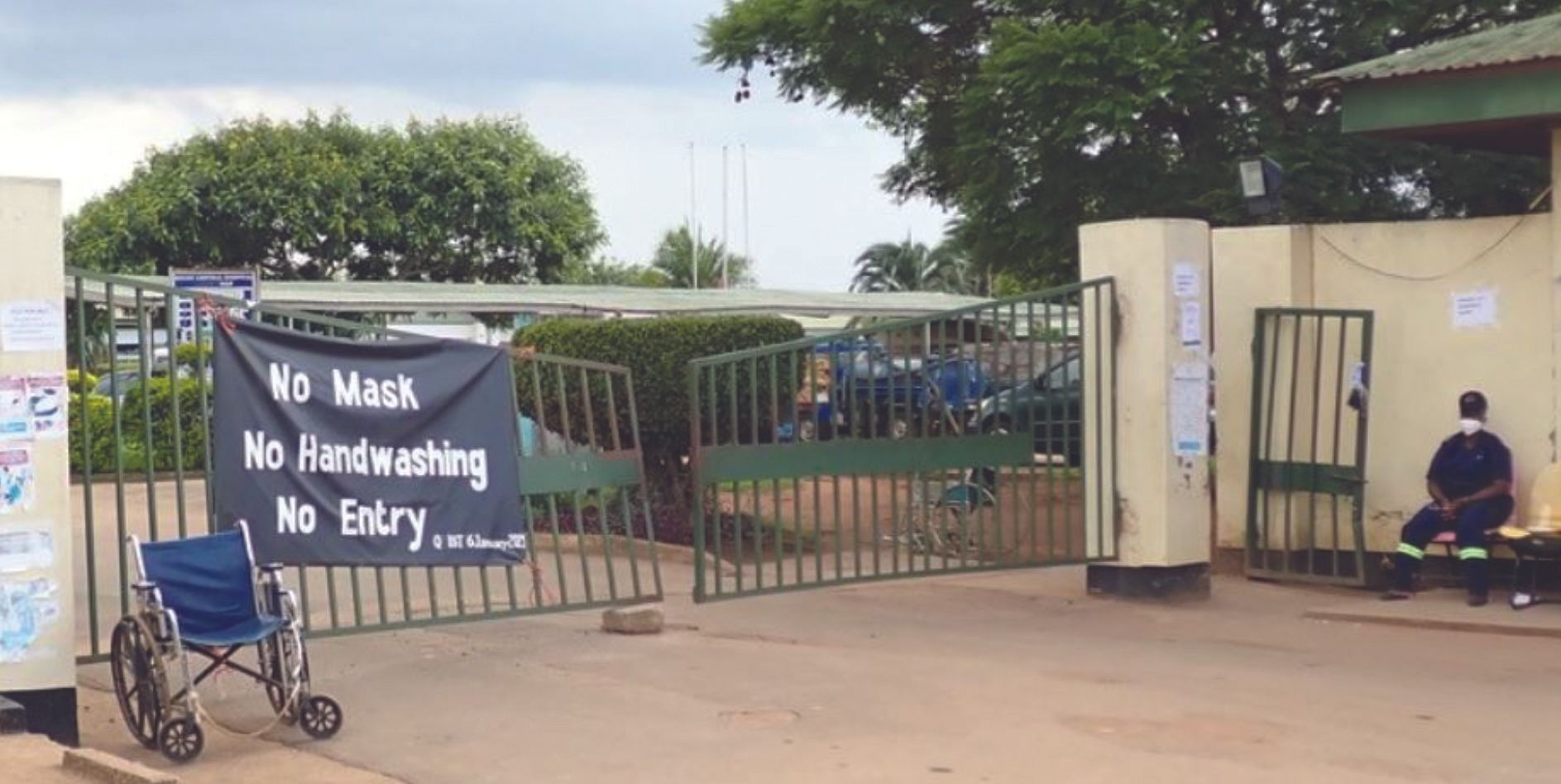
This month, we are honored to feature an interview with Alberto Gregori, MD, a surgeon whose career spans the intersection of advanced technology and global health equity. From his early clinical work in post-war Zimbabwe to his pioneering contributions to computer-assisted surgery in Scotland, Gregori has demonstrated a sustained capacity for adaptation across radically different resource environments. His foundational work with the OrthoPilot and Navio robotic systems positioned him as a key contributor to the evolution of navigated arthroplasty. This interview explores how he reconciles high-technology surgical practice with a broader commitment to sustainable training models designed to empower surgeons operating in resource-limited settings worldwide.
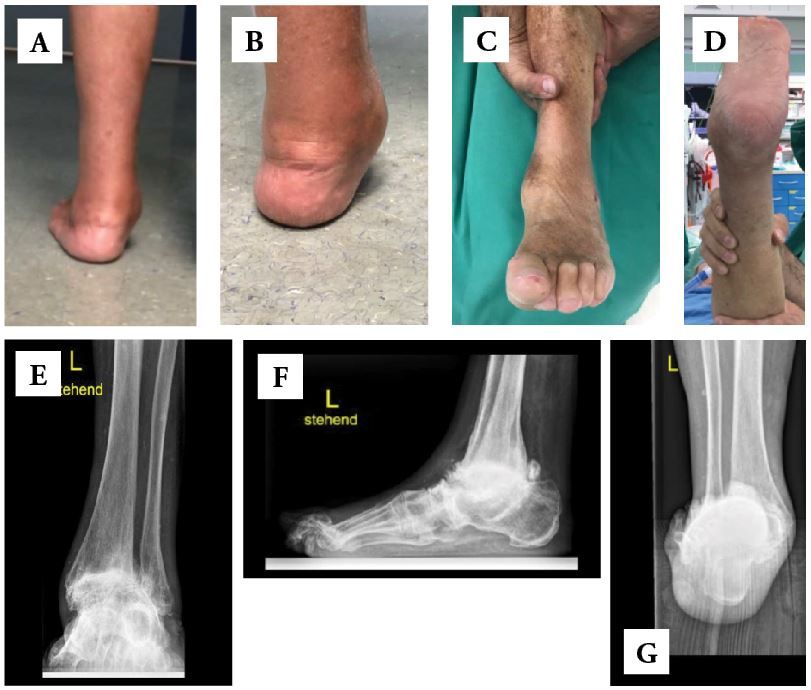
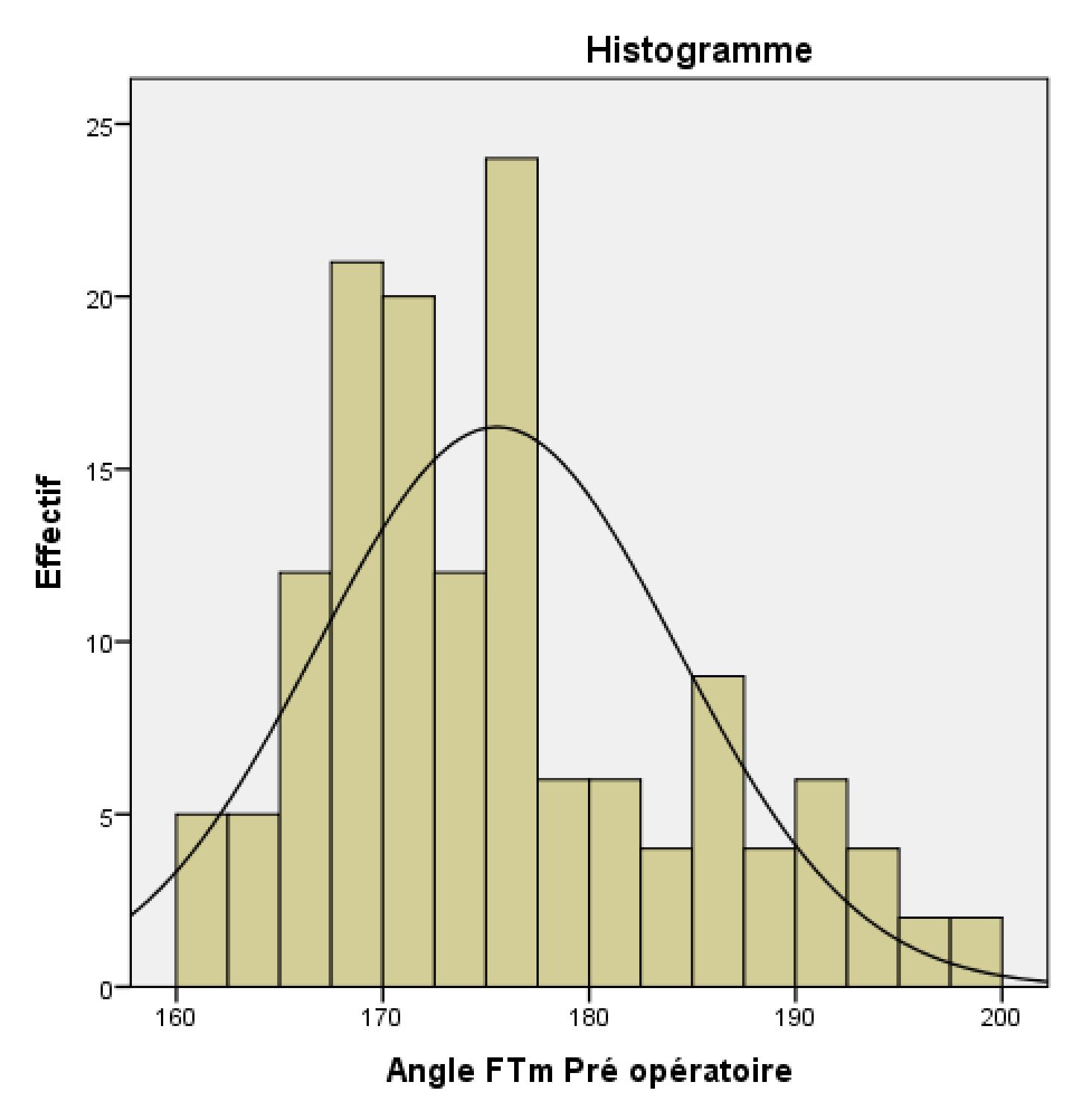
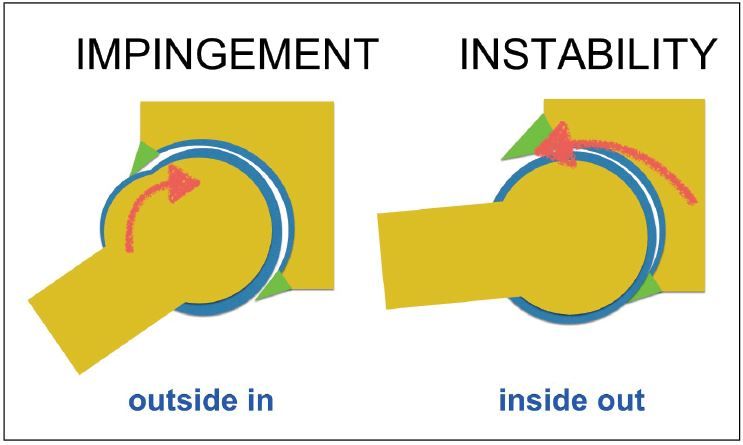
The clinical articles in this issue address a broad spectrum of orthopedic challenges. The concept of microinstability of the hip is introduced as an emerging framework to account for otherwise unexplained hip and groin pain, offering a diagnostic paradigm with meaningful implications for clinical evaluation. A thematic reflection on global orthopaedics examines the specialty's historical legacy and its obligations to future generations of practitioners. Shifting to reconstructive surgery, the application of arthrodesis with retrograde compression nail is evaluated in the context of Charcot neuroarthropathy of the hindfoot, a technically demanding condition requiring durable stabilization solutions. The issue concludes with an analysis of trochlear navigation as a method for achieving accurate rotational alignment of the femoral component in total knee arthroplasty (TKA), reinforcing the role of intraoperative guidance in optimizing implant positioning and functional outcomes.